
Foundations That Handle Northern Utah Freeze Cycles
Residential Foundations Installation in Ogden for new homes and additions requiring proper depth and reinforcement
Clifton Higley Construction UT installs residential foundations for new homes and additions throughout Northern Utah, where freeze-thaw cycles in Weber County require excavation below the frost line and reinforcement that prevents shifting during seasonal ground movement. You need foundation work that accounts for soil expansion when temperatures drop below freezing and contraction when spring arrives, a cycle that repeats every year and tests every concrete placement decision. This service addresses properties where new construction or room additions demand structural support that remains stable through decades of temperature swings.
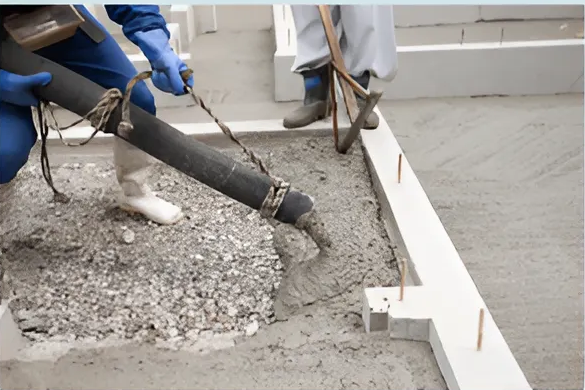
The installation involves full excavation to the required frost depth, footing layout that distributes building loads evenly across the soil, concrete placement using mix specifications that resist cracking under pressure, and finishing that meets local code requirements for residential structures. Drainage planning during excavation prevents water accumulation near footings, which would otherwise create pressure points when moisture freezes and expands during winter months.
Schedule a site evaluation to review soil conditions and frost line requirements for your property.
What Proper Foundation Work Requires
Foundation installation begins with excavation that reaches below the established frost line for your area, followed by soil compaction to eliminate voids that could settle unevenly once the structure bears weight. Footing forms are positioned to create a level base, and concrete is placed in a continuous pour to avoid cold joints that weaken the structural connection between sections.
After the concrete cures and reaches minimum strength, you'll notice the foundation remains level even after the first winter, with no cracks radiating from corners or separation along the perimeter where walls meet footings. The surface stays dry because drainage installed during excavation directs runoff away from the structure, and the concrete shows no spalling or surface deterioration from freeze-thaw exposure.
Foundation work for additions requires tying new footings into existing structures, which involves exposing part of the original foundation and creating mechanical connections that transfer loads uniformly. The depth of excavation varies depending on whether the site slopes, but all footings must reach the same frost-protected depth to prevent differential movement between old and new sections..
Foundation installations in Northern Utah raise specific questions about frost protection, drainage, and timing relative to other construction phases.
Questions Homeowners Ask About Foundation Work
What depth is required for residential footings in Ogden?
Footings must extend below the local frost line, typically 36 to 48 inches in Weber County, to prevent heaving when ground moisture freezes and expands beneath the structure.
How does the foundation connect to the rest of the house?
Anchor bolts are embedded in the concrete during finishing, and these bolts secure the sill plate that supports framed walls, creating a mechanical connection between the foundation and the wood structure above.
When should foundation work happen relative to other trades?
Foundation installation occurs after site excavation and before framing begins, with inspections required before concrete placement and again before backfilling around the perimeter.
What affects the cost of a residential foundation?
Excavation depth, soil conditions that require additional compaction or gravel base, the size of the footprint, and whether the design includes a full basement or slab-on-grade configuration all influence material and labor requirements.
How long does concrete need to cure before framing starts?
Concrete typically reaches sufficient strength for load-bearing within seven days under normal temperatures, though curing continues for weeks and cold weather slows the process significantly.
Clifton Higley Construction UT serves homeowners in Ogden, Mantua, and Layton who need foundation work that accounts for freeze-thaw cycles and soil movement common across Northern Utah. Request a consultation to discuss your project timeline and site-specific requirements.